
Caring for an emu can be a rewarding experience, but it requires attention to detail and a willingness to learn. These large, flightless birds have unique needs that must be met in order to ensure their health and happiness. If you’re new to emu ownership or looking to brush up on your care skills, this guide is for you. We’ll cover the essentials of emu care, including nutrition, housing, and common health issues. You’ll also learn how to train your emu effectively and create a safe and comfortable environment for them to thrive. From the basics of feeding and sheltering to more advanced topics like vaccinations and parasite control, this comprehensive guide will equip you with the knowledge you need to provide top-notch care for your feathered friend.
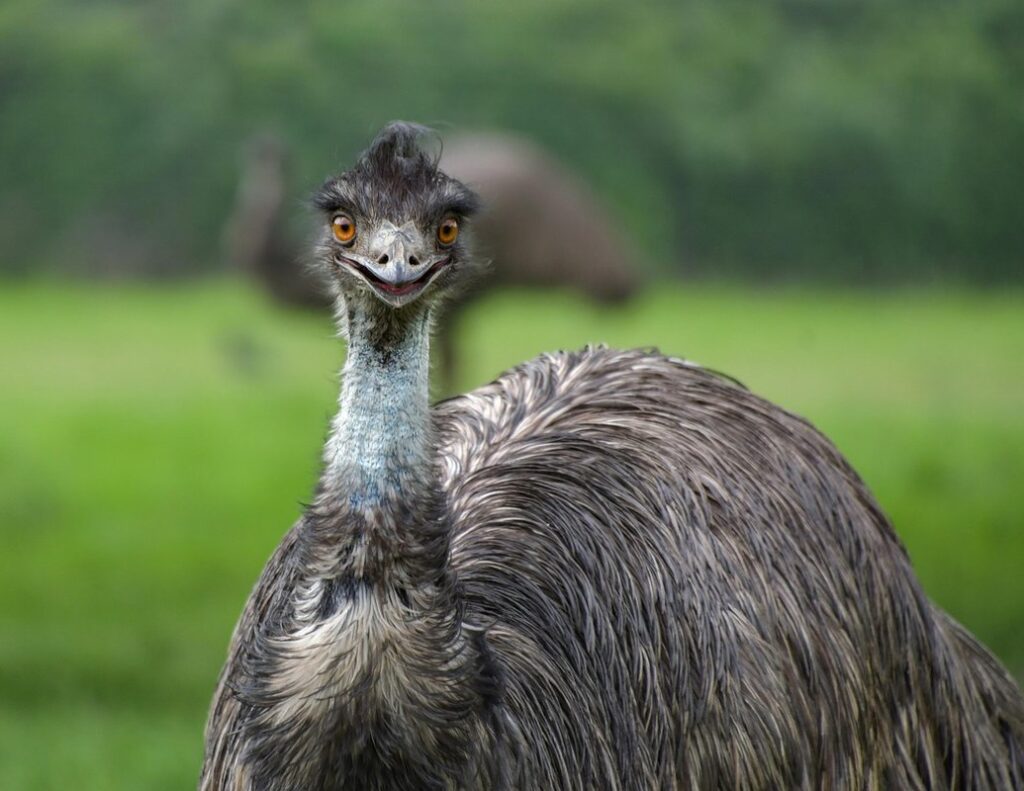
Understanding Emus as Pets
If you’re considering bringing an emu into your family, it’s essential to understand their needs and personalities before making a decision. This section will delve into the key factors to consider when deciding if an emu is right for you as a pet.
History and Origin of Emus
Emus have been around for thousands of years, and their history as a pet is a fascinating one. Native to Australia, emus have been an integral part of the country’s ecosystem since prehistoric times. These large, flightless birds were first domesticated by Australian Aboriginals, who valued them not only for their meat but also for their eggs and feathers.
As European settlers arrived in Australia, they began to breed emus on farms and ranches, recognizing their potential as a valuable resource. Today, the majority of emu farms are located in Western Australia, where they thrive in the country’s arid climate. But why have emus become so popular as exotic pets? One reason is their intelligence – emus are highly social animals that can form strong bonds with their owners.
They’re also relatively low-maintenance pets, requiring less space and care than many other large birds. In fact, some people consider emus to be easier to care for than chickens or turkeys! With proper training and handling, an emu can make a wonderful companion – providing endless entertainment and affection. If you’re thinking of bringing an emu into your life, it’s essential to do your research and understand their needs before making the commitment.
Basic Emu Characteristics
Emus are often described as large, flightless birds, but there’s much more to their characteristics than meets the eye. As a potential emu owner, it’s essential to understand their size, lifespan, and temperament before deciding if they’re right for you.
In terms of size, adult emus can grow up to 6 feet tall and weigh anywhere from 80 to 120 pounds. That’s larger than many people expect, but with proper care and handling, they make wonderful pets. Their size also means they require plenty of space to roam, so if you’re considering bringing an emu into your backyard, make sure it’s big enough.
Emus have a relatively long lifespan, typically living between 30-40 years in captivity. This is longer than many other bird species, and it’s essential to consider their long-term care when deciding whether or not to bring one home. Temperament-wise, emus are generally gentle giants, but they can be skittish at times. With patience and proper socialization, however, they make great companions for families and experienced pet owners alike.
To get a sense of an emu’s temperament, observe how it interacts with its environment and people. A well-socialized emu will approach you calmly and even seek attention, while one that’s fearful or stressed may keep its distance.
Important Considerations Before Bringing an Emu Home
Before bringing an emu into your life, there are several crucial considerations to keep in mind. First and foremost, housing is a major concern. Emus require a lot of space to roam and exercise, so you’ll need to provide a secure enclosure that’s at least 1/4 acre in size. This will give them room to stretch their long legs and engage in natural behaviors like foraging and dust bathing.
In addition to space, you’ll also need to think about the dietary needs of your emu. These birds are omnivores, which means they require a balanced diet that includes both plant-based and animal-based foods. A good starting point is to provide high-quality commercial emu feed as their main staple, supplemented with fruits and vegetables like carrots, apples, and sweet potatoes.
Don’t forget to research local regulations regarding exotic pets in your area. Some municipalities have specific laws or zoning restrictions on keeping emus as pets, so it’s essential to check with your local authorities before bringing one home.
Providing Proper Nutrition for Emus
When it comes to raising emus, feeding them a balanced diet is crucial to their overall health and well-being. This section will guide you through the essential nutrients your emu flock needs to thrive.
A Balanced Diet for Emus
When it comes to providing a balanced diet for emus, it’s essential to understand their nutritional needs. Emus are large, flightless birds that require a diet rich in fiber and nutrients. A good starting point is to provide a mix of hay, grains, fruits, and vegetables.
Hay should make up about 50% of an emu’s diet, with high-quality grass hay or alfalfa hay being the best options. Grains can be added as treats, but limit them to avoid obesity. Fresh fruits like apples, carrots, and sweet potatoes are excellent additions, providing essential vitamins and minerals. Leafy greens such as kale and spinach also make great supplements.
In addition to these food groups, emus may require supplements depending on their age, health, and living conditions. For example, a calcium supplement can help support strong bones in growing emus, while a vitamin E supplement can promote skin and feather health.
It’s crucial to provide a varied diet that meets an emu’s changing nutritional needs throughout its life. Offer a mix of fresh foods daily, supplemented by hay and grains as needed. This will ensure your emus receive the nutrients they need to thrive.
Tips for a Healthy Water Supply
When it comes to providing a healthy water supply for your emus, regular cleaning and maintenance are crucial. Emus can be messy drinkers, and if their water troughs aren’t cleaned regularly, bacteria and algae can quickly accumulate, posing serious health risks.
To prevent this, make sure to clean the water trough daily by scrubbing it with a mild detergent and rinsing thoroughly with fresh water. You should also change the water completely every 2-3 days to ensure its freshness.
In addition to cleaning, consider implementing a few simple tips to keep your emus’ water supply healthy. For example, place their water troughs in a shaded area to prevent algae growth, and use a floating waterer that allows them to drink from a fresh surface each time. Regularly checking the water temperature is also essential – it should be around 50-60°F (10-15°C) for optimal consumption.
By following these simple tips, you can ensure your emus always have access to clean, fresh water, which is essential for their overall health and well-being.
Common Dietary Mistakes to Avoid
When it comes to providing proper nutrition for emus, one of the most critical aspects is avoiding common dietary mistakes. Overfeeding and underfeeding are two of the most prevalent errors that emu owners make. While it’s essential to provide a balanced diet, overfeeding can lead to obesity, metabolic problems, and even organ damage in emus.
On the other hand, underfeeding can result in weakened immune systems, stunted growth, and reduced egg production (in females). To avoid these issues, it’s crucial to monitor your emu’s food intake regularly. A general rule of thumb is to provide about 1-2% of their body weight in feed daily. For example, if you have an adult emu weighing around 80 pounds, aim to give them approximately 0.8-1.6 pounds of feed per day.
Another mistake to avoid is providing a diet that lacks essential nutrients. Emus require a balanced mix of proteins, carbohydrates, fats, vitamins, and minerals to thrive. A common oversight is not providing adequate calcium, which can lead to weakened bones and eggshell problems in females. Make sure to consult with a veterinarian or experienced emu breeder to determine the best diet for your birds based on their age, sex, and size.
Emu Housing and Environment
When it comes to emus, their living space is just as important as what they eat. Here’s how to create a healthy and happy environment for your feathered friends in this section.
Creating an Ideal Emu Enclosure
When creating an ideal emu enclosure, there are several essential components to consider. First and foremost, space is crucial for these birds. A minimum of 10 square feet per bird should be provided, with a larger area being even better. Consider the mature size of your emus, as well as their active nature – they require room to roam and exercise.
Adequate shelter from the elements is also vital. Provide a sturdy coop or enclosure that protects against wind, rain, and sun exposure. Make sure it’s well-ventilated to prevent ammonia buildup from droppings. A south-facing area with partial shade can help reduce heat stress during summer months.
In addition to space and shelter, ventilation is key. Install windows, vents, or doors that allow for airflow and temperature regulation. This will not only keep your emus comfortable but also healthy – ammonia buildup can lead to respiratory issues.
Aim to replicate the natural environment of an Australian grassland when designing your enclosure. Incorporate features like trees, shrubs, and a sandy substrate to provide a sense of familiarity and comfort for your birds. With careful planning and attention to detail, you’ll create a thriving environment that meets your emus’ needs and promotes their well-being.
Tips for Keeping Your Emu’s Living Space Clean
Emus are notorious for being messy birds, and their living space requires regular cleaning to maintain hygiene. As an emu owner, it’s essential to prioritize keeping their enclosure clean to prevent health issues and keep them happy.
Firstly, establish a daily routine of removing soiled bedding material, such as straw or wood shavings, from the enclosure. This will prevent the buildup of ammonia-rich waste that can be hazardous to your birds’ health. Replace the old bedding with fresh material daily, making sure to spread it evenly throughout the enclosure.
Regular cleaning also involves disinfecting food and water areas regularly to prevent bacterial growth. Use a pet-safe disinfectant spray or solution, following the manufacturer’s instructions for application and safety precautions. Don’t forget to scrub all surfaces, including feeding troughs and watering buckets, with a brush to remove any stubborn stains or grime.
By sticking to this simple cleaning schedule, you’ll be able to maintain a clean and hygienic living space for your emus, ensuring their health and well-being.
Health Issues in Emus
Emu health issues can be unpredictable and vary widely depending on factors such as breeding, nutrition, and living conditions. Let’s take a closer look at some common health concerns that may arise in your emu flock.
Common Health Problems Affecting Emus
As an emu owner, it’s essential to be aware of the common health problems that can affect these majestic birds. Respiratory issues are a significant concern for emus, particularly those living in dusty or polluted environments. Symptoms may include labored breathing, coughing, and nasal discharge. If left untreated, respiratory problems can lead to serious complications, so it’s crucial to monitor your emu’s behavior and seek veterinary attention if you notice any unusual signs.
Injuries are another common health issue affecting emus. These birds are prone to foot problems due to their large size and weight, which can put pressure on their joints. You may notice swelling, redness, or limping in your emu’s feet, indicating a potential injury. Regular foot trimming and maintenance can help prevent these issues.
Parasites, such as lice, mites, and ticks, are also prevalent among emus. These external pests can cause discomfort, skin irritation, and even transmit diseases to your bird. To prevent infestations, ensure your emu has a clean living environment, and regularly inspect their feathers for any signs of parasites.
Recognizing and Managing Health Issues in Your Emu
Recognizing health issues in emus can be challenging, as they often try to hide signs of illness. Keep an eye out for changes in appetite, drooping wings or tail, and labored breathing. Also, monitor their stool quality, as a change in color, consistency, or frequency can indicate a problem.
Preventing illnesses is crucial in maintaining the overall health of your emu. Ensure they have access to clean water at all times, and provide a balanced diet that includes a mix of grasses, grains, and vegetables. Regular vaccinations and parasite control measures are also essential.
If you notice any unusual behavior or symptoms, consult with an avian veterinarian right away. Early detection is key in treating many emu health issues. Don’t hesitate to seek veterinary care if your emu shows signs of illness. Some common health issues that may require immediate attention include respiratory problems, leg injuries, and eye infections.
In addition to veterinary care, maintain a clean living environment for your emu by regularly cleaning its enclosure and removing any waste or debris. By being proactive in recognizing and managing potential health issues, you can help ensure the longevity and well-being of your emu.
Training and Handling an Emu
When it comes to training and handling your emu, understanding their unique personality and needs is crucial for a successful and safe interaction. This section will walk you through the basics of building trust and establishing a strong bond.
Building Trust with Your Emu
Building trust with your emu is crucial for establishing a strong bond and ensuring their well-being. Since emus are social birds that require attention and interaction, it’s essential to start building trust from an early age. Begin by letting your emu get used to your presence, allowing them to come to you on their own terms. Start with short interactions, such as offering treats or simply sitting near the enclosure.
As you progress, introduce regular handling exercises to help your emu become comfortable with human touch. Begin with gentle petting and gradually move on to more extensive handling, like lifting them for a few seconds. Be patient and move at their pace, as some emus may take longer than others to build trust. Consistency is key; establish a routine of regular interactions and handling sessions.
Regular handling also helps your emu become accustomed to nail trimming, beak maintenance, and other essential care procedures. It’s not uncommon for owners to experience anxiety during these procedures due to the bird’s initial resistance. By building trust through consistent interaction and handling, you’ll make these tasks significantly easier and less stressful for both you and your emu.
Tips for Safe Handling and Restraint
When it comes to training and handling an emu, one of the most critical aspects is safe handling and restraint techniques. Emus are large, powerful birds that can weigh up to 50 pounds, making them a force to be reckoned with. If not handled properly, they can easily knock you off balance or even cause serious injury.
To avoid accidents, it’s essential to approach your emu calmly and gently. Move slowly and deliberately around the bird, avoiding any sudden movements that might startle it. When picking up an emu, always support its body with both hands, making sure to lift under the wings rather than grabbing them. This will help distribute the weight more evenly and prevent strain on your back.
In emergency situations or during veterinary procedures, you may need to restrain your emu. A well-fitting harness or head gate can be an effective way to control its movements without causing undue stress. However, never use physical force or restraint methods that could harm or intimidate your bird. Instead, focus on building trust and establishing a strong bond through consistent training and positive reinforcement.
Emu Care on a Budget
We know that caring for emus can get expensive, so we’re sharing some practical tips to help you provide top-notch care without breaking the bank. From affordable feed options to clever DIY projects, stay tuned!
Affordable Options for Housing and Feeding Your Emu
Raising an emu can be done on a budget with some careful planning. When it comes to housing and feeding your emu, there are several affordable options available.
For housing, you don’t need to build a large barn or enclosure. A simple 12×16 foot shed or even a three-sided shelter can provide adequate protection from the elements for one or two emus. You can also repurpose an existing building or structure on your property, such as a garage or old greenhouse.
As for feeding, emus are relatively low-maintenance when it comes to their diet. They are browsers and will eat a variety of plants, including grasses, leaves, and shrubs. You can supplement their diet with grains like oats and barley, but avoid giving them too much bread or sugary treats. A good rule of thumb is to provide 1-2 pounds of food per bird per day.
You can also consider raising your own emu feed by planting a variety of crops on your property, such as alfalfa, clover, and oats. This not only saves you money but also provides fresh produce for your emus. With some creativity and planning, you can provide a happy and healthy home for your emu without breaking the bank.
Creative Ways to Utilize Your Emu’s Eggs and Manure
When it comes to emu care on a budget, utilizing your bird’s valuable resources is essential. Emus produce not only delicious eggs but also nutrient-rich manure that can be repurposed in various ways.
Start by harnessing the power of emu manure as fertilizer for your garden or orchard. This natural compost can boost soil fertility and support healthy plant growth. Mix it with other organic matter like leaves, grass clippings, or vegetable scraps to create a rich fertilizer blend.
As for the eggs, consider adding them to your family’s menu or sharing with friends and neighbors who appreciate sustainable protein sources. Emu eggs are an excellent alternative to chicken eggs, boasting large yolks and tender whites. If cooking isn’t on the agenda, you can also use emu eggs in crafting and decoration projects.
One creative way to repurpose emu manure is by making liquid fertilizer through a process called ‘compost tea’. This concentrated solution can be applied directly to plants or used as a foliar spray for enhanced plant nutrition.
Conclusion: Caring for Your Emu
Now that you’ve learned the ins and outs of emu care, let’s summarize the key takeaways and provide some final tips to ensure your feathered friend stays healthy and happy.
Recap of Key Takeaways
As you wrap up this comprehensive guide to caring for your emu, let’s recap the essential takeaways to ensure you’re providing the best possible care for your feathered friend.
First and foremost, remember that emus require a balanced diet that includes high-quality hay, grains, and fruits. Ensure they have access to fresh water at all times, and consider using a waterer with a built-in filter to keep their drinking water clean. Additionally, provide essential nutrients like calcium and phosphorus through supplements or fortified feed.
When it comes to health considerations, keep an eye out for common issues like parasites, respiratory problems, and foot conditions. Regularly inspect your emu’s living space to prevent the spread of disease and maintain a clean environment.
By following these care tips and staying vigilant about potential health concerns, you’ll be well on your way to building a strong bond with your emu and creating a happy, healthy home for them. Remember to stay patient, observant, and proactive in caring for your emu – it’s an investment that will pay off in the long run!
Final Thoughts on Emu Care
As you’ve come to the end of our emu care journey together, I want to leave you with some final thoughts that have been echoing throughout this section. Caring for an emu is not a task for the faint of heart; it requires patience, attention to detail, and a willingness to learn.
Remember that every emu is unique, just like every human, and what works for one may not work for another. So don’t be discouraged if you encounter setbacks or need to try new approaches – it’s all part of the learning process. Take note of your emu’s individual preferences and personality traits, and adjust your care routine accordingly.
Develop a habit of regularly observing your emu’s behavior, appetite, and overall health. This will help you identify potential issues before they become major problems. Stay informed about best practices in emu care by attending workshops, reading books, and joining online forums where experienced owners share their knowledge and insights.
With persistence, dedication, and a willingness to adapt, you’ll develop the skills necessary to provide top-notch care for your beloved emu companion.
Frequently Asked Questions
What should I do if my emu escapes from its enclosure?
If your emu manages to escape, stay calm and act quickly. Secure the surrounding area by blocking off potential escape routes and notify local authorities or animal control services to help capture the bird. To prevent future escapes, regularly inspect and maintain the enclosure’s integrity, ensuring that any gaps or weaknesses are addressed promptly.
How often should I schedule veterinary check-ups for my emu?
Regular health checks are crucial for maintaining your emu’s well-being. Schedule annual check-ups with a veterinarian experienced in caring for large birds like emus. These visits will allow you to monitor your emu’s health and catch any potential issues early on, ensuring prompt treatment if necessary.
Can I raise an emu without adequate space, or will it negatively impact its health?
Providing sufficient space is essential for your emu’s physical and mental well-being. A minimum of 2-3 square feet per bird is recommended, with more space available being even better. Inadequate space can lead to stress, aggression, and a range of health problems. Plan ahead and allocate sufficient room in your property to accommodate an emu safely.
How do I prevent emus from pecking or causing damage to their surroundings?
Emus are intelligent birds that require stimulation and exercise. To minimize destructive behavior, provide adequate enrichment activities like toys, climbing structures, and foraging areas. Also, ensure your emu has enough space to roam and engage in natural behaviors. Regularly inspect the enclosure for any signs of pecking or damage and address these promptly.
Can I keep multiple emus together safely, or will it lead to conflicts?
Keeping multiple emus together can be challenging due to their strong personalities and territorial nature. Introducing birds to each other should be done carefully, with a gradual introduction process under close supervision. Even then, there’s no guarantee of peaceful coexistence. Monitor your birds’ behavior closely and separate them if signs of aggression or stress appear.