
If you’re fascinated by primates and eager to learn about one of the most intriguing species, then get ready to delve into the captivating world of capuchin monkey blacks. These agile creatures are not only adorable but also possess a unique set of physical characteristics that set them apart from their fellow capuchin monkeys. From their striking black coats to their sharp, intelligent eyes, capuchin monkey blacks have adapted remarkably well to their forest habitats in Central and South America.
In this article, we’ll take you on an exciting journey through the lives of capuchin monkey blacks, exploring their dietary habits, habitat preferences, and conservation status. You’ll also discover ways to contribute to the protection of these amazing animals and learn how to get involved in preserving their natural habitats. With a mix of fascinating facts, insights, and practical tips, you’ll be well-equipped to join forces with conservation efforts and make a difference for capuchin monkey black populations.
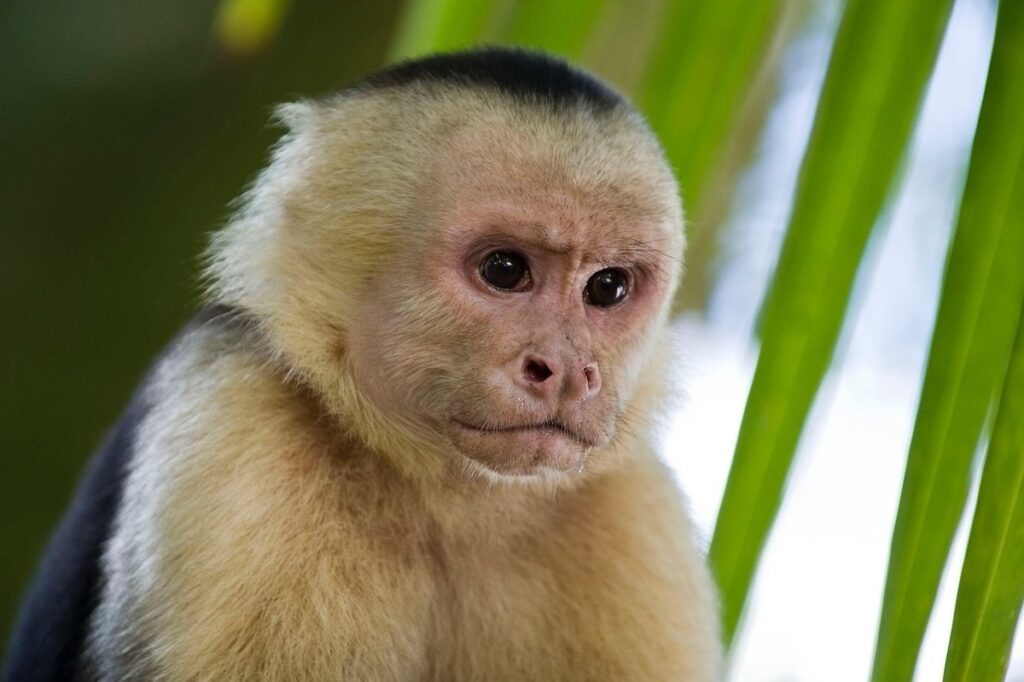
Physical Characteristics and Behavior
Let’s dive into what makes black capuchin monkeys so unique, from their physical attributes to their fascinating behaviors in the wild. You’ll discover some surprising traits that set them apart from other primates.
Size and Weight
Capuchin monkeys are relatively small compared to other primate species. On average, an adult capuchin monkey typically weighs between 3-6 pounds (1.4-2.7 kilograms) and measures approximately 12-18 inches (30-45 centimeters) in length, excluding their tail. Their tail can add an additional 10-15 inches (25-38 centimeters) to their overall length.
To put this into perspective, a male capuchin monkey is roughly the size of a large cat or small dog. In comparison, other primate species like gorillas and chimpanzees are significantly larger, with adult males weighing up to 400 pounds (180 kilograms) or more.
Despite their smaller size, capuchin monkeys are incredibly agile and nimble, thanks in part to their slender build and prehensile tails. This unique combination of physical characteristics makes them well-suited for navigating the dense rainforests they call home.
Distinguishing Features
The capuchin monkey black’s physical characteristics are truly remarkable. One of its most distinguishing features is its coat color, which can range from a dark brown to almost black hue. This unique coloring sets it apart from its relatives, the white-faced capuchin and the tufted capuchin. In fact, the capuchin monkey black’s coat is so dark that it appears as if it has been dipped in ink.
Another notable feature of the capuchin monkey black is its facial structure. Its face is characterized by a broad forehead, a short muzzle, and a flat nose. The eyes are large and expressive, with a piercing gaze that can be both captivating and intimidating. The skin texture is also quite distinctive, with a smooth, sleek surface that appears almost velvety to the touch.
When observing these monkeys in their natural habitat, it’s not uncommon to notice that they often have distinctive facial markings or coloration patterns on their faces. These markings can range from subtle streaks and stripes to more pronounced patches and swirls. By paying attention to these unique features, you can better identify individual capuchin monkey blacks and even distinguish between males and females.
In terms of practical advice for identifying the capuchin monkey black, it’s essential to note that its coat coloration can vary depending on lighting conditions and environmental factors. Therefore, when observing these monkeys in the wild or in captivity, make sure to take note of their overall coloring and facial structure before making a positive identification.
Social Structure and Communication
Capuchin monkeys live in large groups, typically ranging from 10 to 30 individuals. These social units are often led by a dominant male who has earned his position through age and aggression. Within the group, there is a clear hierarchy, with dominant males having priority access to food, mating opportunities, and other resources.
One of the most fascinating aspects of capuchin monkey communication is their use of vocalizations. They produce a wide range of calls, from loud barks and screams to softer chirps and whistles, to convey information about food discovery, potential threats, or social interactions. For example, if a dominant male discovers a new food source, he will often announce its location to the rest of the group through a series of loud vocalizations.
Capuchin monkeys also use body language to communicate and establish dominance. They will often display aggressive postures, such as standing upright on their hind legs or pounding their chests, to assert their position in the hierarchy. If you’re lucky enough to observe capuchin monkeys in their natural habitat, take note of these subtle cues – they can be a fascinating insight into their complex social dynamics.
By observing and learning from the communication methods of capuchin monkeys, we can gain valuable insights into their social behavior and develop more effective conservation strategies.
Habitat and Distribution
The capuchin monkey black is native to the tropical forests of Central and South America, where you can find them thriving in a variety of habitats.
Geographic Range
Capuchin monkey blacks are found in the wild throughout Central and South America. Their geographic range spans across various countries and regions, including Costa Rica, Panama, Nicaragua, Honduras, Guatemala, Belize, Mexico, Ecuador, Colombia, Venezuela, Guyana, Suriname, French Guiana, Brazil, Peru, Bolivia, Paraguay, Uruguay, and Argentina.
In terms of specific ecosystems, capuchin monkey blacks inhabit a variety of habitats, such as tropical rainforests, cloud forests, dry forests, mangrove swamps, and even urban areas. They are highly adaptable to different environments, which has contributed to their wide distribution across the continent.
One notable example is the observation that capuchin monkey blacks have been spotted in some of the world’s most renowned national parks, including Corcovado National Park in Costa Rica and Manu National Park in Peru. These agile primates are also known to inhabit areas with human settlements, such as cities and towns, where they often interact with local residents.
Their ability to thrive in diverse environments has enabled capuchin monkey blacks to occupy a vast territory, making them one of the most widely distributed primate species in the Americas.
Environmental Preferences
Capuchin monkeys are adaptable creatures that can thrive in various environments, but they generally prefer areas with abundant food sources and suitable shelter. Tropical forests are their ideal habitat, where they inhabit the dense undergrowth and climb trees to forage for fruits, leaves, and insects. These forests provide them with a stable temperature range, high humidity, and an abundance of water.
In some cases, capuchin monkeys can also be found in grasslands or wetlands, particularly in areas where their primary food source is available. For instance, in parts of Central America, they inhabit mangrove swamps to feed on crustaceans, mollusks, and fruits that grow among the tangled roots.
To create a suitable environment for capuchin monkeys, consider providing them with a diverse array of plants, including fruit-bearing trees and shrubs. Ensure a reliable water source is available, and consider incorporating rocks or logs for climbing and perching. By mimicking their natural habitat, you can help these intelligent primates thrive in captivity.
When introducing capuchin monkeys to new environments, it’s essential to monitor their behavior and adjust accordingly. Provide ample space for them to roam and exercise, as well as opportunities for exploration and social interaction.
Impact of Habitat Loss and Fragmentation
The impact of human activities on capuchin monkey black habitats and populations is a pressing concern. As their natural habitats are cleared for agriculture, urbanization, and other human needs, these intelligent primates face numerous challenges to survival.
Deforestation, in particular, has led to significant habitat loss for capuchin monkeys. Studies have shown that deforested areas can lead to population decline by up to 50% within just a few years. This is due to the fragmentation of habitats, which makes it difficult for monkeys to find food, shelter, and suitable breeding grounds.
The consequences of habitat loss are far-reaching. Without adequate resources, capuchin monkey black populations struggle to adapt to changing environments. Urbanization further exacerbates this issue, as natural corridors between forests are disrupted or destroyed. In response, conservation efforts focus on preserving remaining habitats and reconnecting fragmented ones through reforestation projects.
To mitigate the effects of habitat loss, it is essential for local communities and governments to prioritize sustainable land-use practices. This includes implementing policies that balance human needs with environmental protection. By working together, we can create a safer future for capuchin monkey black populations and preserve biodiversity in their habitats.
Diet and Foraging Behavior
Let’s dive into how capuchin monkeys obtain their daily nutrients, exploring their fascinating dietary habits and foraging techniques in more detail.
Food Sources
Capuchin monkeys are primarily frugivores, which means they thrive on a diet rich in fruits. In their natural habitat, they feed on a variety of fruit species, including figs, berries, and tropical fruits like mangoes and bananas. These fruits provide them with essential nutrients, fiber, and antioxidants that help maintain their overall health.
In addition to fruits, capuchin monkeys also consume leaves, which account for about 10-20% of their diet. They prefer tender shoots, young leaves, and leafy greens, which are rich in vitamins A and C, as well as minerals like potassium and magnesium. When foraging for leaves, they often use their nimble hands to pluck them from trees and shrubs.
Insects and small animals also form a part of the capuchin monkey’s diet. They have been known to feed on insects like grasshoppers, crickets, and caterpillars, as well as small lizards, frogs, and even snakes. This varied diet allows them to supplement their nutritional needs with protein-rich food sources.
It’s worth noting that capuchin monkeys in captivity may require a more balanced diet that includes commercial primate chow, fruits, vegetables, and treats. However, it’s essential for owners to consult with veterinarians or experienced primatologists to ensure they’re providing the best possible care for their pets.
Foraging Strategies and Techniques
Capuchin monkeys are renowned for their innovative and intelligent foraging strategies. When searching for food, they employ a variety of techniques to extract resources from plants and trees. One notable approach is the use of tools, such as sticks, to retrieve fruits, seeds, or other edible items.
In fact, studies have shown that capuchin monkeys in some populations are skilled at using sticks to extract honey from beehives! This technique requires patience, attention to detail, and a good understanding of the plant’s anatomy. To replicate this behavior, you can try observing your own local environment for similar opportunities. For example, if you notice a beehive nearby, observe how the bees interact with the hive and identify potential entry points.
Another essential aspect of capuchin monkey foraging is their ability to adapt to changing environments and seasonal availability of food sources. In dry seasons, they may rely more heavily on stored food reserves or explore new areas in search of alternative resources. By emulating this flexibility and resourcefulness, you can develop your own effective foraging strategies in the face of environmental challenges.
Seasonal Changes in Diet and Behavior
In their natural habitats, capuchin monkey blacks undergo significant changes in diet and behavior throughout the year. One of the primary drivers of these changes is climate. During the dry season, when food sources are scarce, capuchin monkeys focus on consuming energy-rich foods like fruits, nuts, and seeds. In contrast, during the wet season, they tend to eat more leaves, shoots, and insects.
Their reproductive cycles also play a crucial role in shaping their diet and behavior. Female capuchin monkeys typically give birth after a gestation period of about 5-6 months, and their infants rely heavily on them for milk production. This energy-demanding process influences the mother’s food choices, often prioritizing nutrient-dense foods to support lactation.
If you’re observing capuchin monkey blacks in captivity or in the wild, keep an eye out for these seasonal changes. For instance, providing a varied diet that includes fruits, leaves, and insects can help simulate their natural eating habits during different times of the year. By understanding and responding to these needs, you can create a more enriching environment for these fascinating creatures.
Conservation Status and Threats
Capuchin monkeys are facing numerous threats, including habitat loss and poaching, which have significantly impacted their populations worldwide. Let’s explore these dangers in more detail.
Current Conservation Efforts
Conservation efforts for the capuchin monkey black are underway to protect their dwindling populations. In Brazil, for instance, national parks like the Tijuca Forest and the Rio de Janeiro State Park provide a habitat for these monkeys. Additionally, protected areas such as the Atlantic Forest Biosphere Reserve help safeguard their natural habitats.
Reintroduction programs have also been implemented in some parts of their range. For example, the Capuchin Monkey Reintroduction Program in Brazil aims to release captive-bred capuchins into suitable habitats. These efforts not only increase the population but also contribute to genetic diversity.
Some organizations are taking steps to protect these monkeys from hunting and habitat loss. The World Wildlife Fund (WWF) is working with local communities to establish sustainable forest management practices, which helps reduce deforestation and preserves habitat for capuchin monkeys.
You can make a difference by supporting conservation efforts in various ways. Consider donating to reputable organizations or spreading awareness about the plight of capuchin monkey black populations. By doing so, you’ll be contributing to their protection and helping safeguard their future.
Major Threats to the Species
Capuchin monkeys are facing numerous threats to their survival, primarily due to human activities that encroach on their habitats. Habitat destruction and fragmentation are significant concerns, as the rapid expansion of agriculture, urbanization, and logging has led to a substantial loss of forest cover. This not only reduces the availability of food and shelter but also isolates populations, making it difficult for them to adapt and survive.
Hunting for bushmeat is another major threat to capuchin monkeys. They are often hunted for their meat, which is considered a delicacy in some parts of Central and South America. This has resulted in significant population decline in many areas. For instance, a study conducted in the 1990s found that hunting was responsible for up to 90% of the mortality rate among capuchin monkeys in one particular region.
Disease transmission from humans is also a significant concern. As capuchin monkeys come into contact with humans through habitat encroachment, they are exposed to diseases such as herpesvirus, which can have devastating effects on their populations. It’s essential for us to take responsibility and adopt sustainable practices that minimize our impact on these remarkable creatures’ habitats.
Ways to Get Involved in Conservation Efforts
If you’re passionate about capuchin monkey black conservation, there are many ways to get involved and make a difference. One way is to volunteer with organizations dedicated to protecting these primate populations. You can search for local or international groups that offer hands-on experience, such as monitoring habitats, conducting research, or participating in community outreach programs.
Donating to reputable organizations is another effective way to contribute to capuchin monkey black conservation efforts. Your financial support can help fund critical projects, such as habitat restoration, species monitoring, and education initiatives. For example, the Capuchin Conservation Program supports research and conservation efforts in South America by providing funding for studies on primate behavior, ecology, and population dynamics.
You can also spread awareness about capuchin monkey black conservation by sharing informative articles, videos, or social media posts with friends, family, and online communities. This helps raise public awareness about the species’ plight and encourages others to join the conversation. Consider joining online forums or groups focused on primate conservation to stay updated on the latest news and research findings. By taking action in your own way, you can make a tangible impact on capuchin monkey black conservation efforts.
Frequently Asked Questions
Can I keep a capuchin monkey black as a pet?
No, it’s not recommended to keep capuchin monkeys as pets due to their complex social needs and specialized habitat requirements. They are wild animals that belong in their natural habitats, and keeping them captive can be detrimental to their physical and emotional well-being.
How do I get involved in conservation efforts for capuchin monkey blacks?
You can start by supporting reputable organizations dedicated to protecting primate habitats and addressing the impact of habitat loss and fragmentation. Consider donating funds, spreading awareness about the issue, or participating in local conservation events.
What are some ways to protect capuchin monkey black habitats from destruction?
One effective way is through reforestation efforts, which can be achieved by planting native tree species that provide food and shelter for these animals. Additionally, supporting eco-tourism initiatives that promote sustainable living practices can also help preserve habitats.
Can I adopt a capuchin monkey black or support its conservation directly?
While there may not be direct adoption options available, you can contribute to the protection of their habitats by supporting organizations involved in primate conservation and habitat preservation. These contributions will ultimately benefit the well-being of capuchin monkey blacks and other species sharing their habitats.
How do I learn more about capuchin monkey black behavior and habits?
To gain a deeper understanding, research scientific studies and publications focused on primate behavior and ecology. Many organizations, such as zoos and wildlife sanctuaries, also offer educational programs and workshops that can provide valuable insights into the lives of these fascinating creatures.