
Anacondas are one of the most intriguing creatures in the animal kingdom, and their impressive size is definitely a reason to fascinate us. You’re probably wondering, just how long do anacondas get? It’s not just about their massive bodies; it’s also about understanding what makes them grow to such enormous lengths. Environmental factors like habitat and prey play a significant role in determining the maximum length an anaconda can achieve.
In this article, we’ll delve into the growth patterns of anacondas, exploring how they reach record-breaking sizes. From their birth weight to their full-grown length, we’ll examine the various influences that contribute to their impressive stature. By understanding what makes these snakes so massive, you’ll gain a deeper appreciation for their incredible adaptability and survival skills in the wild. So, let’s embark on this journey of discovery and uncover the secrets behind anacondas’ remarkable size!
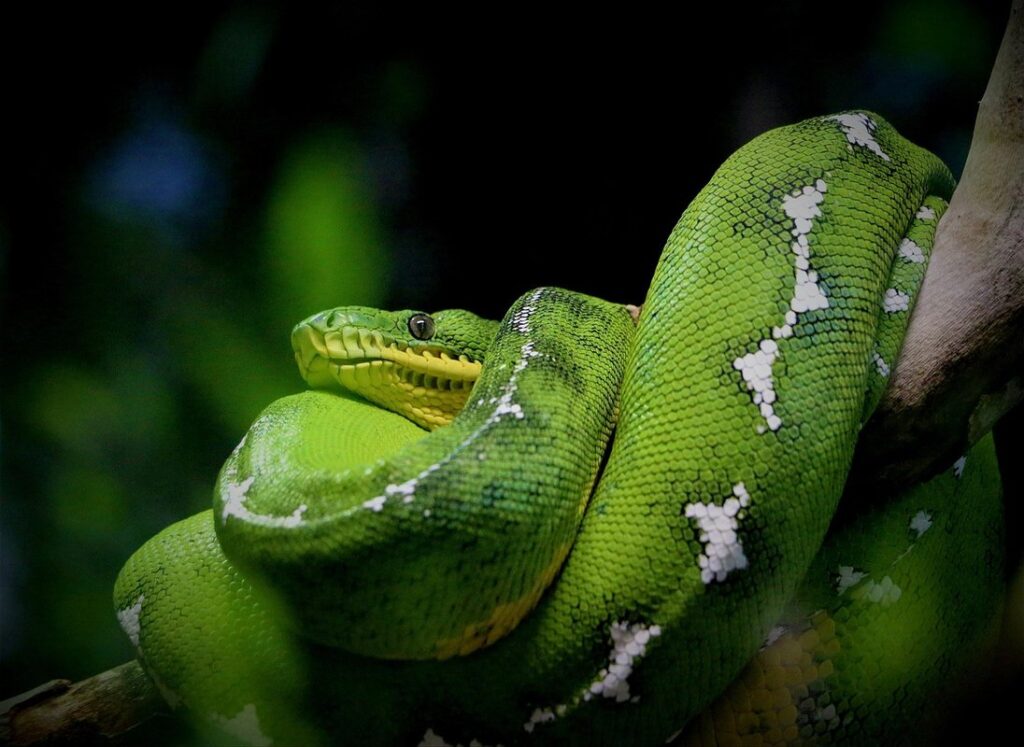
What are Anacondas and Where Do They Live?
Let’s start by learning about one of the largest snakes on the planet: anacondas. Specifically, we’ll explore where they call home in this vast continent.
Distribution and Habitat
Anacondas can be found in various countries throughout Central and South America, with their range spanning from Venezuela and Colombia in the north to Peru and Ecuador in the south. They inhabit diverse environments, including rainforests, swamps, and wetlands. In some areas, they have adapted to live in flooded grasslands during the rainy season.
Their ability to thrive in different ecosystems is due in part to their impressive physiological adaptations. Anacondas are excellent swimmers and can stay underwater for extended periods, feeding on fish and other aquatic animals. However, they also venture onto land to hunt larger prey like capybaras and peccaries. Their wide-set eyes allow them to see well both above and below water.
When exploring the habitat of anacondas, it’s essential to remember that these snakes are generally solitary creatures. They require vast territories, often spanning many acres. As a result, they’re found in areas with minimal human disturbance, typically venturing closer to settlements only at night.
Diet and Hunting Habits
Anacondas are skilled hunters that play a crucial role in maintaining their ecosystem’s balance. These massive snakes primarily feed on large ungulates like capybaras, deer, and even caimans! Their diet is essential to understand as it contributes significantly to their overall energy expenditure.
When hunting, anacondas rely heavily on stealth, patience, and power. They ambush their prey by wrapping themselves around the animal’s body, constricting until the victim suffocates or dies from circulatory failure. This process can take anywhere from 10 minutes to several hours, depending on the size of the prey.
It’s estimated that an anaconda can consume up to 50% of its body weight in a single meal. For example, if an anaconda weighs around 200 pounds (90 kg), it will eat approximately 100 pounds (45 kg) of meat. This energy-intensive feeding behavior is why anacondas need such vast territories to roam and hunt.
By understanding anacondas’ unique hunting habits and dietary needs, we can better appreciate the incredible adaptations that allow them to thrive in their environments.
Anaconda Growth Patterns and Lifespan
As we explore the massive size of anacondas, let’s take a closer look at their growth patterns, including how quickly they mature and reach full maturity. This section will reveal some surprising facts about anaconda development.
Juvenile Stages and Growth Rates
Anacondas go through several distinct growth stages from hatchlings to maturity. A newly hatched anaconda can be as small as 20-24 inches (50-60 cm) long and weigh about 1 pound (0.5 kg). However, they grow rapidly during the first year of their life, increasing in length by up to 10 feet (3 meters) and quadrupling in weight.
During this period, anacondas face significant challenges such as predation, harsh weather conditions, and competition for food. As a result, only about 50% of hatchlings survive to reach maturity. Those that do grow rapidly, with some individuals doubling their birth weight every month during the first year.
Notably, anacondas in captivity tend to grow more slowly than those in the wild due to factors such as diet and space constraints. For example, a study on captive-bred anacondas found that they grew at an average rate of 1-2 feet (30-60 cm) per month during their first year. In contrast, wild anacondas can grow up to 3-4 feet (90-120 cm) per month during this period. Understanding these growth patterns is essential for providing optimal care and management for anaconda populations in both captivity and the wild.
Estimating Maximum Lengths
Estimating Maximum Lengths is crucial to understanding anacondas’ growth patterns and lifespan. One of the primary methods of determining maximum lengths involves analyzing various studies on anaconda length measurements. For instance, a study published in the Journal of Herpetology measured a massive green anaconda (Eunectes murinus) that reached an impressive 29 feet (8.8 meters) in length. Similarly, a report by the Guinness World Records documented a yellow anaconda (Eunectes notaeus) measuring 28 feet 2 inches (8.6 meters) long.
To put these lengths into perspective, consider this: anacondas can continue growing throughout their lives, with some specimens reportedly adding up to 1-2 feet (0.3-0.6 meters) in length per year after reaching adulthood. This means that even mature anacondas have the potential to reach impressive sizes if given optimal living conditions.
When estimating maximum lengths, it’s essential to note that these figures can vary depending on factors such as habitat quality, prey availability, and genetics. However, by studying recorded measurements of giant anacondas, we can make informed estimates about their maximum potential lengths. By understanding the upper limits of anaconda growth, we can better appreciate these incredible creatures and work towards preserving their populations in the wild.
Factors Influencing Anaconda Size
So, you’re wondering why anacondas vary so much in size? Well, it’s not just a simple question of genetics – there are several factors at play that can affect an anaconda’s ultimate length.
Genetics and Heredity
Genetics play a significant role in determining an anaconda’s size. Research has shown that genetic variations can influence growth rates and adult sizes of anacondas. In fact, studies have found that individual anacondas with specific genetic traits can grow up to 20% larger than their counterparts.
One notable case is the giant anaconda, a subspecies found in South America. These massive snakes can reach lengths of over 30 feet (9 meters) and weigh more than 500 pounds (227 kg). Genetic factors such as increased muscle mass, faster growth rates, and improved nutrient absorption are thought to contribute to their exceptional size.
On the other hand, smaller anacondas may be due to genetic traits that slow down growth or reduce muscle development. For instance, a study on captive-bred anacondas found that those with lower body condition scores (BCS) had slower growth rates and shorter lengths compared to those with higher BCS. This highlights the importance of genetics in determining an anaconda’s size.
To appreciate the role of genetics in anaconda size, it’s essential to consider factors like nutrition, environment, and health conditions. While genetic predisposition is a significant factor, proper care and management can still influence an anaconda’s growth potential.
Environmental Factors
Anacondas grow to varying sizes depending on their environment. Food availability is a significant factor influencing anaconda growth rates. In regions with an abundance of food sources such as fish, caimans, and capybaras, anacondas can reach larger sizes compared to those in areas with limited resources.
Climate change also plays a crucial role in shaping anaconda size. Rising temperatures contribute to changes in water levels, which affects the availability of prey for anacondas. For instance, studies have shown that anacondas living in warmer regions tend to be smaller than those in cooler climates due to reduced food availability and altered habitats.
Another environmental factor impacting anaconda size is access to suitable nesting sites. Anacondas require sheltered areas to lay their eggs and give birth. Without these sites, females may experience stress, leading to slower growth rates or smaller offspring.
By understanding the interplay between environment and anaconda growth, researchers can better predict how climate change will affect anaconda populations in the future. This knowledge can inform conservation efforts aimed at protecting these massive snakes and their habitats.
Record-Breaking Anacondas: Case Studies and Expert Insights
Get ready to meet the largest anacondas ever recorded, as we delve into their extraordinary lengths and explore what makes them so massive. From champion catch records to expert analysis, we’re about to get up close and personal.
Notable Cases and Research Findings
In recent years, several record-breaking anacondas have been discovered and documented by researchers. One such notable case is that of a female anaconda found in the Peruvian Amazon in 2009. Weighing an astonishing 550 pounds (250 kg) and measuring over 29 feet (8.8 meters) in length, this enormous snake is considered one of the largest ever recorded.
Another remarkable case study involves a male anaconda discovered in Brazil’s Pantanal region in 2016. Measuring 28.5 feet (8.7 meters) long and weighing around 400 pounds (182 kg), this snake was notable for its exceptional size, which may be attributed to the rich food sources available in its habitat.
Research findings suggest that anacondas require large territories with abundant prey to grow to such exceptional sizes. A study published in the Journal of Herpetology found that anacondas inhabiting areas with high fish and rodent populations tend to grow larger than those living in areas with limited resources.
These remarkable cases highlight the importance of providing optimal habitats for these incredible creatures, as well as the need for continued research into their biology and behavior.
Expert Perspectives on Anaconda Growth Patterns
When it comes to anaconda growth patterns, herpetologists and wildlife biologists have some valuable insights to share. According to Dr. Jamie Cullum, a renowned herpetologist, “Anacondas can take up to 5-7 years to reach maturity, during which time they can grow up to 2 feet per month.” This rapid growth phase is crucial for their development and survival.
But what drives such impressive growth? Experts point to several factors, including diet, habitat, and genetics. A study published in the Journal of Herpetology found that anacondas in areas with abundant prey populations tend to grow larger than those in areas with scarce food sources. This suggests that access to a reliable food source is essential for optimal growth.
Dr. Maria Rodriguez, a wildlife biologist, notes, “Genetics also play a significant role in determining an anaconda’s size potential.” She explains that some species of anacondas are naturally more massive than others due to their genetic makeup. By understanding these factors, we can better appreciate the incredible diversity and adaptability of anacondas.
By taking these insights into account, wildlife enthusiasts and researchers can gain a deeper appreciation for these magnificent creatures and work towards conserving and protecting them in their natural habitats.
How Long Do Anacondas Typically Get?
When it comes to anaconda size, one of the most common questions is how long do these massive snakes typically get in the wild and captivity. Let’s take a look at the average length of an anaconda.
Average Lengths and Maximum Potential
Let’s take a closer look at just how big anacondas can get. Research has shown that the average length of an anaconda varies depending on the species. For example, the green anaconda (Eunectes murinus) is typically around 17-23 feet (5.2-7 meters) in length, with a maximum recorded length of over 29 feet (8.8 meters). In comparison, the yellow anaconda (Eunectes notaeus) tends to be smaller, reaching an average length of about 13-18 feet (4-5.5 meters).
But what’s truly remarkable is the potential size that some anacondas can reach. Studies have found that in ideal conditions, with access to plenty of food and space to grow, anacondas can reach lengths of up to 30 feet (9.1 meters) or more. However, these maximum sizes are rarely achieved in the wild due to various environmental factors such as habitat loss, prey scarcity, and predation.
To put this into perspective, imagine a snake that’s roughly the same length as a school bus! It’s mind-boggling to think about just how massive anacondas can become. Whether you’re an animal enthusiast or simply fascinated by these incredible creatures, it’s hard not to be impressed by their potential size.
Implications for Conservation Efforts
Understanding anaconda growth patterns and lengths is crucial for effective conservation efforts. These massive serpents play a vital role in their ecosystems, serving as both predators and prey. However, their habitat destruction, hunting for skin and meat, and capture for the pet trade pose significant threats to their populations.
The average length of anacondas varies greatly depending on the species, sex, and environmental factors. For instance, the green anaconda can grow up to 29 feet in ideal conditions, while the yellow anaconda rarely exceeds 17 feet. These variations are essential to consider when developing conservation strategies.
Conservationists must account for these differences when creating protected areas or implementing anti-poaching measures. For example, a reserve designed to protect large green anacondas may not provide adequate habitat for smaller yellow anacondas. By understanding and addressing these unique needs, we can create more effective conservation plans that benefit the entire species.
Ultimately, it’s essential to recognize that every anaconda population is different, and their growth patterns are influenced by a multitude of factors. By acknowledging these complexities, we can develop targeted conservation efforts that prioritize the specific needs of each region and species.
Frequently Asked Questions
What environmental factors are most crucial for anacondas to achieve their maximum size?
Anacondas require a specific combination of environmental conditions, including adequate food supply, suitable habitat, and a stable temperature range. These factors significantly influence their growth patterns and contribute to their remarkable sizes. Understanding the role of environmental factors can help us better appreciate the adaptability of these incredible snakes.
Can anacondas grow throughout their entire lifespan, or is there an optimal period for growth?
Anacondas typically experience most of their growth during their juvenile stages, which can last up to 5-7 years. After reaching maturity, they may continue growing at a slower rate, but the pace of this growth varies depending on various factors such as diet and habitat quality.
How do anaconda’s genetics influence their ability to grow to record-breaking sizes?
Genetics play a significant role in determining an anaconda’s potential size. While environmental factors can contribute to exceptional growth, the underlying genetic makeup of an individual snake also affects its capacity for growth. Research has shown that certain genetic traits can predispose anacondas to reach remarkable lengths.
What are some common misconceptions about anaconda growth patterns that I should be aware of?
One common misconception is that anacondas grow continuously throughout their lives, similar to humans. However, this is not entirely accurate. Anacondas experience periods of rapid growth followed by slower growth or even a temporary halt in growth as they mature.
Can anacondas adapt to living in captivity and still achieve impressive sizes?
While it’s theoretically possible for anacondas to thrive in controlled environments like zoos, achieving the same size as wild anacondas can be challenging due to factors such as diet, habitat quality, and lack of natural stimulation. However, some well-managed captive breeding programs have successfully raised anacondas that approach impressive lengths.